.png)

Management of spinal infections
What Are Spinal Infections?
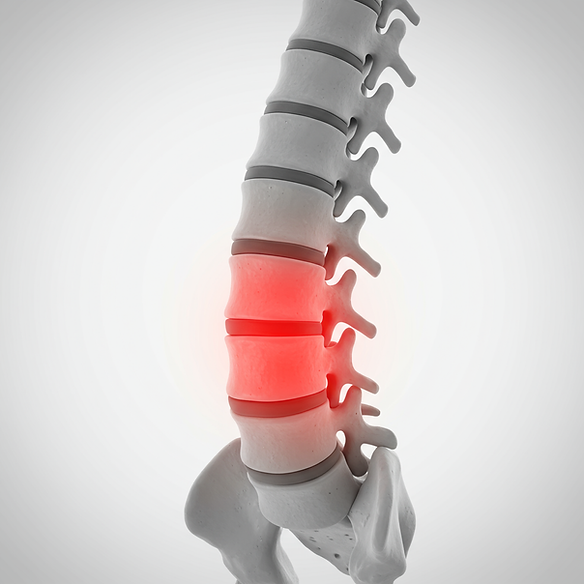
Spinal infections involve the vertebrae, intervertebral discs, or surrounding soft tissues. These infections can arise from bacteria, tuberculosis, or postoperative complications. Early detection is crucial to preventing neurological damage, instability, or chronic pain.
Symptoms & When to Seek Care
-
Persistent back or neck pain that is not relieved by rest.
-
Fever, chills, or night sweats.
-
Neurological symptoms such as weakness, numbness, or difficulty walking.
-
A history of recent infection, surgery, or immunosuppression.


Diagnostic Approach
-
MRI scans are the gold standard for detecting infections and abscesses.
-
Blood tests include ESR, CRP, and white cell count.
-
Biopsies or cultures are performed to identify the causative organism.

Treatment Principles
-
Antibiotics: Start with IV, then oral based on cultures.
-
Immobilization: Use bracing to reduce pain and prevent deformities.
-
Surgery: Needed for instability, deformity, or failed conservative care.
Goals of Treatment
-
Eliminate infection.
-
Alleviate pain.
-
Protect and maintain neurological function.
-
Restore spinal stability.
-
Prevent deformities and recurrence.
Recovery & Follow-Up
Most patients require weeks to months of antibiotics and careful monitoring.
Rehabilitation helps improve mobility, strength, and overall recovery.
Regular imaging ensures resolution and detects recurrence early.
FAQs